
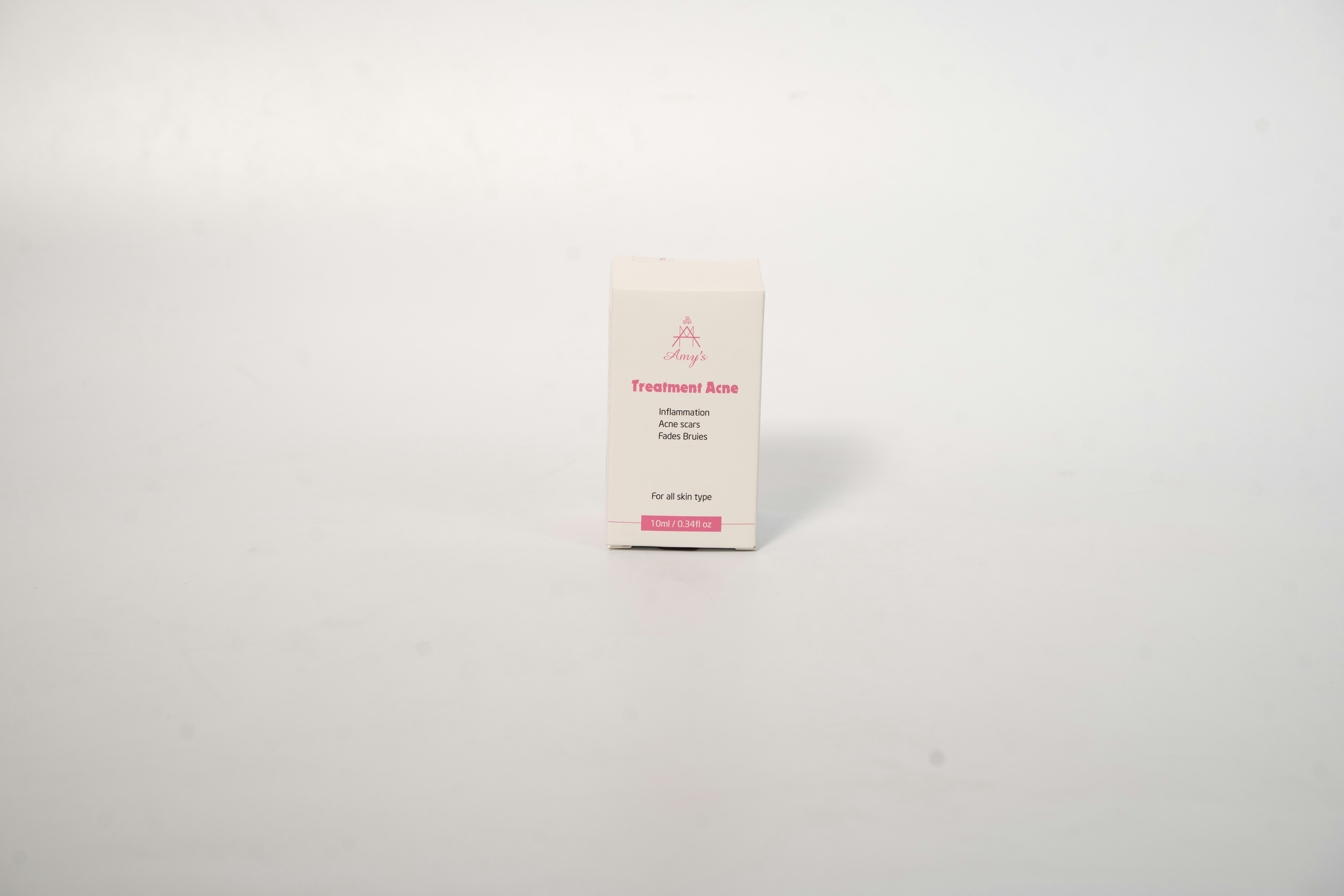
What Is Acne?
Acne is a common skin condition that affects people of all ages, though it is most prevalent among adolescents and young adults. It occurs when hair follicles become clogged with oil, dead skin cells, and bacteria, leading to blackheads, whiteheads, pimples, or deeper inflammatory lesions like cysts and nodules.
The skin’s sebaceous glands naturally produce oil (sebum) to keep skin moisturized. However, when overproduction occurs, pores may clog and create an environment for bacteria such as Cutibacterium acnes to thrive, triggering inflammation and breakouts.
Common Causes of Acne Struggles
Acne has multiple root causes. Understanding them is key to management:
- Hormonal Imbalances: Fluctuations during puberty, menstrual cycles, pregnancy, or conditions like PCOS can trigger excess oil production.
- Dietary Influences: High sugar and dairy consumption may worsen breakouts in susceptible individuals.
- Stress: Stress hormones like cortisol increase oil production and inflammation.
- Medications: Corticosteroids, lithium, and certain antidepressants may provoke acne.
- Environmental Factors: Pollution, humidity, and harsh products can irritate skin and clog pores.
The Role of Hormones in Acne Formation
Hormones play a central role in acne. During puberty, increased androgen levels stimulate oil glands. Women may experience cyclical breakouts before menstruation due to shifts in estrogen and progesterone. Pregnancy also impacts skin, often increasing oil production. Additionally, PCOS is strongly associated with hormonal acne, especially around the jawline and chin.
Diet and Acne: What to Avoid and What to Embrace
Diet can influence acne severity:
- Avoid: Dairy products (milk, cheese, yogurt) and high-glycemic foods (white bread, sugary snacks, soda).
- Embrace: Low-GI foods (whole grains, legumes), antioxidant-rich foods (berries, leafy greens), and omega-3s (salmon, flaxseed, walnuts).
Maintaining hydration and limiting processed foods can further support skin health.
Skincare Products: What Works and What Doesn’t
Effective acne management requires the right skincare approach:
- Over-the-Counter: Salicylic acid unclogs pores, benzoyl peroxide reduces bacteria, and AHAs promote exfoliation.
- Prescription: Retinoids improve cell turnover; oral antibiotics reduce inflammation.
- Natural Options: Tea tree oil and aloe vera may provide mild benefits, but evidence is less consistent.
Tip: Always patch-test new products and use non-comedogenic, fragrance-free formulas.
Lifestyle Factors in Acne Management
- Sleep: Adequate rest regulates hormones and reduces inflammation.
- Stress Management: Practices like meditation, yoga, or exercise help balance cortisol levels.
- Skincare Habits: Consistency is key—cleanse gently twice daily, exfoliate moderately, and moisturize with lightweight formulas.
Debunking Acne Myths
- Myth: Acne is caused by poor hygiene. Fact: Over-washing can worsen acne; the root cause is hormonal, bacterial, and inflammatory.
- Myth: Diet doesn’t affect acne. Fact: High sugar and dairy have been linked to increased breakouts in many studies.
- Myth: One solution works for everyone. Fact: Acne is individual—treatments must be tailored.
When to Seek Professional Help
If acne is severe, painful, or not responding to OTC treatments, consult a dermatologist. Professional interventions may include topical retinoids, oral medications, or advanced procedures such as chemical peels, light therapy, or laser treatment.
Conclusion: Embracing the Journey to Clear Skin
Clear skin is often a journey, not an overnight result. Acne management requires a holistic approach—balancing hormones, diet, skincare, and lifestyle. With patience, consistency, and professional guidance, long-term improvements are possible.
✨ Clinically Recommended Acne Solutions
Explore dermatologist-backed solutions that align with the causes we discussed:
Ⅰ. For Hormonal Acne (Jawline/Cyclical Breakouts)
- Neutrogena Oil-Free Acne Wash (2% Salicylic Acid) – Clinically shown to reduce comedones by 62% in 8 weeks.
- La Roche-Posay Effaclar Duo – Dual-action treatment for persistent hormonal acne.
Ⅱ. For Inflammatory Acne (Cysts & Nodules)
- Hero Cosmetics Mighty Patch – Hydrocolloid patches for spot treatment.
- Paula’s Choice 10% Azelaic Acid Booster – Targets bacteria and post-acne pigmentation.
Ⅲ. Daily Maintenance Routine
| Step | Product | Key Ingredients |
|---|---|---|
| AM Cleanse | CeraVe Foaming Facial Cleanser | Ceramides + Niacinamide |
| PM Treatment | Differin Adapalene Gel 0.1% | Retinoid (FDA-approved) |
| Weekly Exfoliation | The Ordinary AHA 30% + BHA 2% Peel | Glycolic + Salicylic Acid |
Ⅳ. Lifestyle Synergists
- Stress-Induced Breakouts: Pair meditation practices with CBD topical serum.
- Dietary Support: Add Collagen Peptides Powder to support skin barrier and hydration.
Disclaimer: This content is for educational purposes only. Results vary. Always patch-test new products and consult a dermatologist before starting new treatments.