
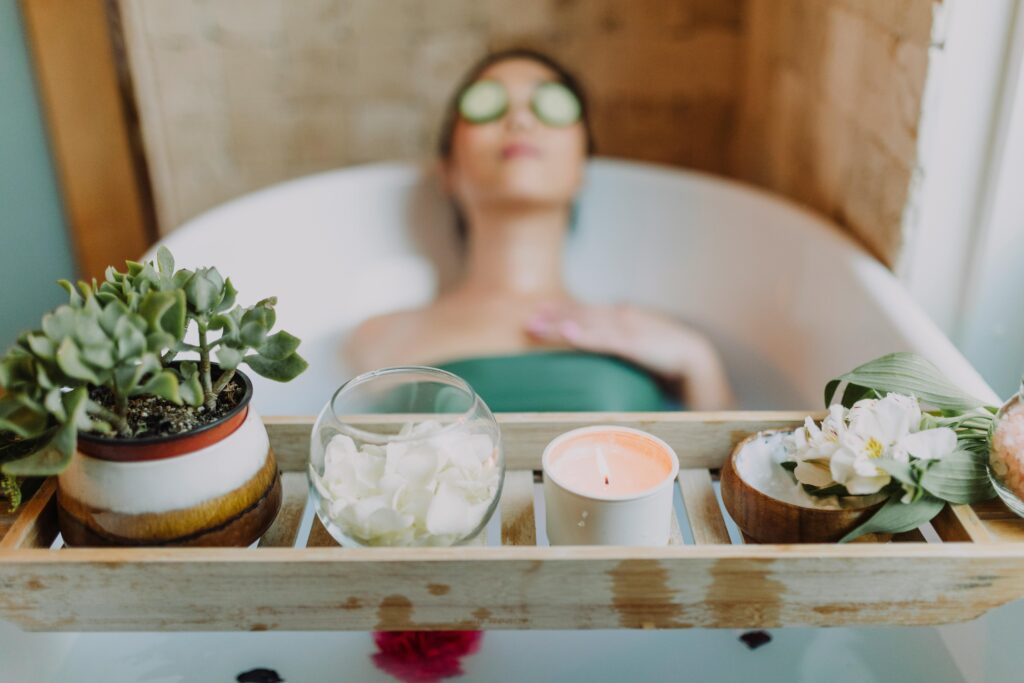
If you’ve ever wondered “What everyday habits may support a greater sense of calm alongside appropriate professional care?”, you’re not alone. Many people today are searching for everyday routines that may support relaxation and general well-being. While there’s no one-size-fits-all solution, some people choose to explore lifestyle and mindfulness practices as part of a broader well-being routine.
Everyday Well-Being Approaches
Everyday practices are not a substitute for professional care, but some people find them useful for relaxation and self-care. Sleep, eating patterns, and recurring thoughts can affect how a person feels; a qualified professional can help assess persistent or severe symptoms.
7 Everyday Practices That May Support Calm
1. Optimize Your Sleep
- Many adults aim for a consistent sleep schedule; individual sleep needs vary.
- Keep a sleep routine: same bedtime, reduced blue light, cool room.
- Try calming rituals: herbal tea, journaling, or reading before bed.
2. Mindful Breathing & Meditation
- Practices such as box breathing or guided meditation may feel relaxing for some people.
- A brief daily practice can be an accessible way to explore mindfulness.
- Apps such as Calm or Headspace provide structured guidance.
3. Herbal and Nutritional Support
- Ashwagandha: an herbal supplement with possible effects and interactions; discuss it with a qualified professional before use.
- Magnesium glycinate: a supplement some people consider; benefits, risks, and appropriate use vary.
- Omega-3 fatty acids: dietary nutrients found in certain foods and supplements; evidence and individual needs vary.
(Always consult a professional before adding supplements.)
4. Movement & Exercise
- Regular physical activity can be part of a general well-being routine.
- Yoga, strength training, or walking are movement options that some people find enjoyable or relaxing.
- Some people report sleeping better when regular movement fits their routine.
5. Caffeine & Sugar Check
- Caffeine sensitivity varies, and some people notice restlessness after coffee or energy drinks.
- Consider lower-caffeine or caffeine-free options if they suit your needs; check ingredients and interactions.
- Balanced meals can support general nutrition; they are not a treatment for mood symptoms.
6. Journaling & Thought Reframing
- Write down anxious thoughts → challenge them with facts.
- Use prompts like: “Is this fear realistic?” or “What’s in my control?”
- Some people use journaling to organize their thoughts.
7. Create a Calming Environment
- Use aromatherapy (lavender, chamomile, bergamot oils).
- Declutter your room; a tidy space may feel more comfortable for some people.
- Weighted blankets or calming background sounds can provide comfort.
Recommended Natural Anxiety Relief Tools
| Product / Resource | Best For | Product Details to Compare |
|---|---|---|
| Calm or Headspace App | Daily mindfulness practice | Guided meditation features |
| Organic Ashwagandha Capsules | People comparing herbal supplements | Ingredient, dose, interactions, and third-party testing |
| Magnesium Glycinate | People comparing magnesium supplements | Form, dose, interactions, and labeling |
| Weighted Blanket (15–20 lbs) | People comparing weighted blankets | Weight, materials, care, and safety guidance |
| Essential Oils Set (Lavender, Chamomile, Bergamot) | People comparing scented products | Ingredients, scent preferences, and household safety |
CTA: Start Small, See Big Change
👉 Compare Well-Being Products and Features
(Affiliate links – no extra cost to you, but helps us keep creating valuable content.)
Final Thoughts
Everyday practices are not treatments for anxiety, but they may be useful parts of a personal well-being routine. Start with one or two small changes—like mindful breathing or improving your sleep routine—and build from there. Notice how each practice fits your needs, and seek qualified care for persistent, worsening, or severe symptoms.
Disclaimer: This article is for educational purposes only and is not a substitute for medical advice. If your anxiety is persistent or severe, please consult a qualified healthcare professional.
Important: This article provides general educational information and does not diagnose, treat, cure, or prevent any condition. It is not a substitute for individualized medical advice. If symptoms are persistent, worsening, severe, or involve immediate safety concerns, contact a qualified healthcare professional or local emergency service.