
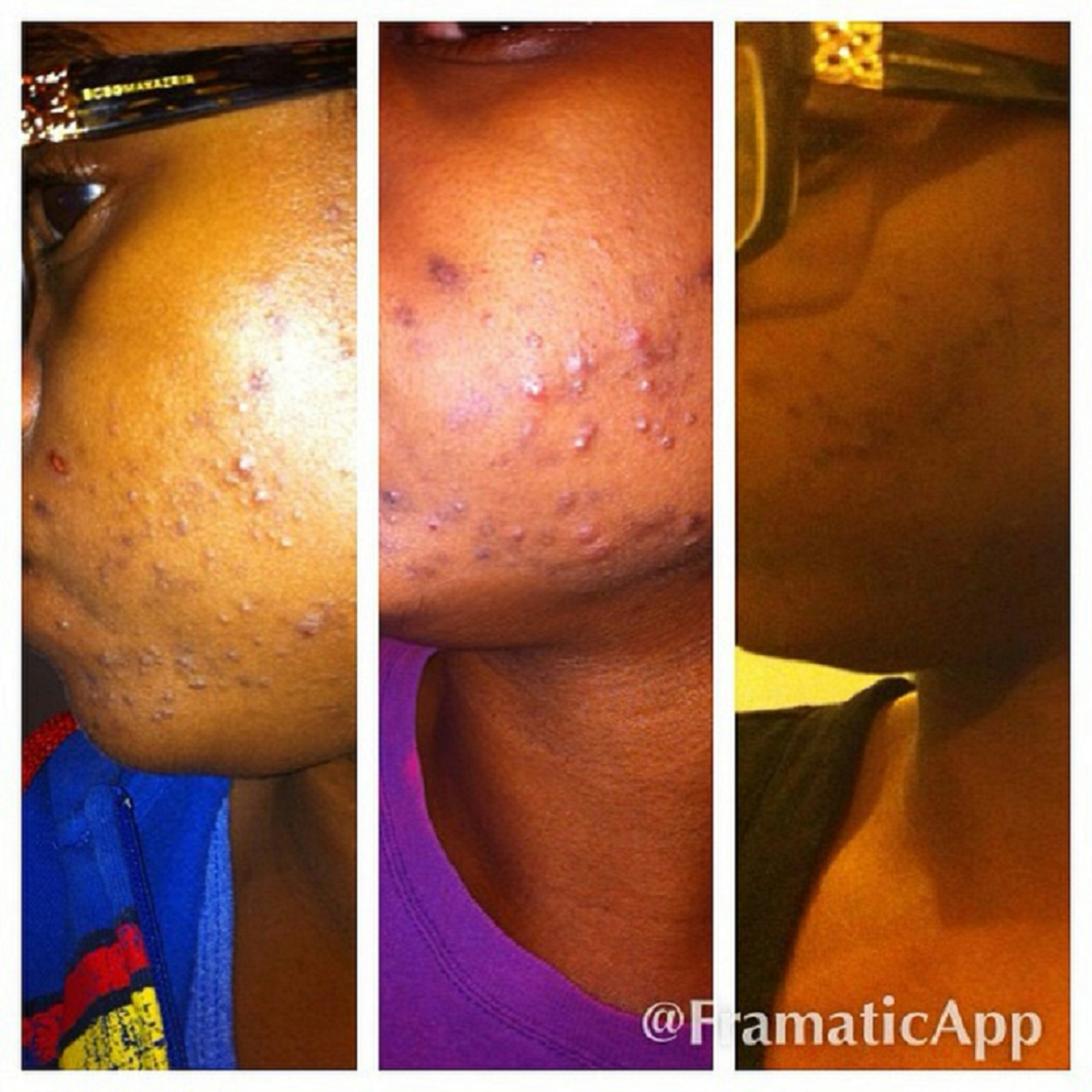
Why Do I Struggle With Acne? Causes, Triggers, and Effective Solutions
Acne is one of the most common skin conditions, affecting nearly 80% of teenagers and a significant portion of adults. It occurs when hair follicles become clogged with oil, dead skin cells, and bacteria, resulting in blackheads, whiteheads, pimples, or even deeper cysts.
Despite its prevalence, acne remains surrounded by myths—such as being caused solely by poor hygiene. In reality, acne is a multifactorial condition involving hormonal fluctuations, genetic predisposition, environmental influences, diet, and even psychological stress.
Understanding these root causes is the first step toward effective prevention, treatment, and self-confidence.
1. Hormonal Changes
During puberty, increased androgen levels stimulate sebaceous glands, causing excess oil and clogged pores. In women, hormonal fluctuations throughout the menstrual cycle often trigger premenstrual breakouts. Conditions like PCOS (polycystic ovary syndrome) also elevate androgen levels, making acne more persistent.
Takeaway: If your acne feels hormone-driven, consult a dermatologist about treatments like oral contraceptives or spironolactone.
2. Genetic Factors
Family history plays a strong role in acne. Genetic variations can influence oil production and how the immune system reacts to bacteria. While genetics cannot be changed, understanding predisposition helps in early management.
3. Environmental Influences
- Pollution: Airborne particles clog pores and cause inflammation.
- Humidity: High humidity increases sweat and oil; low humidity can dry skin and cause rebound oiliness.
- Chemical Exposure: Harsh skincare with fragrance or alcohol may worsen breakouts.
Tip: Choose non-comedogenic, fragrance-free skincare and cleanse after heavy pollution or workouts.
4. Diet and Nutrition
Several studies show diet influences acne severity. High glycemic foods (soda, candy, white bread) spike insulin, which stimulates oil glands. Dairy—especially skim milk—may worsen breakouts due to hormones. A skin-friendly diet includes whole foods, vegetables, and omega-3 fatty acids.
Checklist for Clearer Skin:
- Cut back on sodas, candy, and refined carbs.
- Limit dairy; try plant-based alternatives.
- Add anti-inflammatory foods like salmon, walnuts, and berries.
5. Skincare Products & Habits
The right skincare routine is critical. Avoid comedogenic ingredients and instead use products with salicylic acid, benzoyl peroxide, or AHAs. Cleanse twice daily, exfoliate 2–3 times a week, and moisturize with lightweight non-comedogenic formulas. Avoid over-cleansing, which can strip the skin and worsen acne.
6. Medical Conditions & Medications
Conditions such as PCOS or adrenal disorders can stimulate excess oil production. Certain medications (lithium, anabolic steroids, some antiepileptics) also trigger acne. If your acne appeared after starting new medication, consult your doctor.
7. Psychological Factors
Stress increases cortisol, which overstimulates sebaceous glands and worsens inflammation. Anxiety and depression may lead to poor skincare habits or skin picking. Stress management through mindfulness, yoga, or journaling can improve skin clarity.
Conclusion & Management Strategies
Acne is a multifactorial skin condition, not simply a hygiene issue. Management requires a personalized approach:
- Identify your triggers (hormones, diet, stress, or environment).
- Follow a consistent skincare routine with non-comedogenic products.
- Adopt a balanced diet and manage stress effectively.
- Consult a dermatologist for persistent acne to explore treatments like topical retinoids, oral medications, or professional therapies.
With the right awareness and strategies, acne can be effectively managed, leading to healthier skin and greater confidence.
✨ Recommended Products for Acne Management
Looking for effective acne solutions? Here are dermatologist-recommended options:
- La Roche-Posay Effaclar Duo Acne Treatment – Reduces breakouts and unclogs pores.
- CeraVe Foaming Facial Cleanser – Gentle daily cleanser for oily and acne-prone skin.
- Paula’s Choice Skin Perfecting 2% BHA Liquid Exfoliant – Exfoliates inside pores to clear blackheads and reduce acne.
👉 Shop smart: Always choose non-comedogenic products and patch-test before applying to your full face.