
This article may contain affiliate links. We may earn a commission at no extra cost to you.
Acne is one of the most common skin concerns worldwide — affecting teenagers, adults, men, and women alike. From occasional breakouts to painful cystic acne, finding the right skincare routine and products can feel overwhelming.
The good news:
With the right combination of skincare, lifestyle habits, and clinically backed ingredients, acne can often be significantly improved over time.
⭐ Quick Acne Solution Picks
| Concern | Recommended Product | Best For | Action |
|---|---|---|---|
| Hormonal Acne | La Roche-Posay Effaclar Duo | Jawline & cyclical breakouts | View on Amazon |
| Deep Inflammatory Acne | Paula’s Choice Azelaic Acid Booster | Redness & post-acne marks | View on Amazon |
| Daily Gentle Cleanser | CeraVe Foaming Facial Cleanser | Daily maintenance | View on Amazon |
| Spot Treatment | Hero Mighty Patch | Individual pimples | View on Amazon |
| Retinoid Treatment | Differin Adapalene Gel | Persistent acne | View on Amazon |
👉 Explore dermatologist-recommended acne products below.
What Is Acne?
Acne is a common inflammatory skin condition that develops when hair follicles become clogged with oil, dead skin cells, and bacteria.
It can appear as:
- Blackheads
- Whiteheads
- Papules
- Pimples
- Cysts
- Nodules
The skin naturally produces oil (sebum) to maintain hydration and protect the skin barrier. However, excess oil production combined with clogged pores creates an environment where acne-causing bacteria can thrive.
This often leads to inflammation, redness, and recurring breakouts.
Common Causes of Acne
Acne rarely has a single cause. In many cases, multiple internal and external factors contribute simultaneously.
Hormonal Imbalances
Hormones are one of the biggest acne triggers.
During puberty, menstrual cycles, pregnancy, or conditions such as PCOS, androgen levels may increase oil production and lead to clogged pores.
Hormonal acne often appears around:
- Jawline
- Chin
- Lower cheeks
Stress & Cortisol
Stress increases cortisol levels, which may stimulate sebaceous glands and worsen inflammation.
Many people notice breakouts becoming worse during:
- Work stress
- Sleep deprivation
- Emotional burnout
- Anxiety
Diet & Acne
Research suggests that certain foods may worsen acne in susceptible individuals.
Foods commonly linked to breakouts include:
- High-sugar snacks
- Soda
- White bread
- Dairy products
- Highly processed foods
Meanwhile, nutrient-rich foods may help support healthier skin.
Skin-Friendly Foods
- Salmon
- Leafy greens
- Blueberries
- Walnuts
- Flaxseed
- Whole grains
Best Skincare Ingredients for Acne
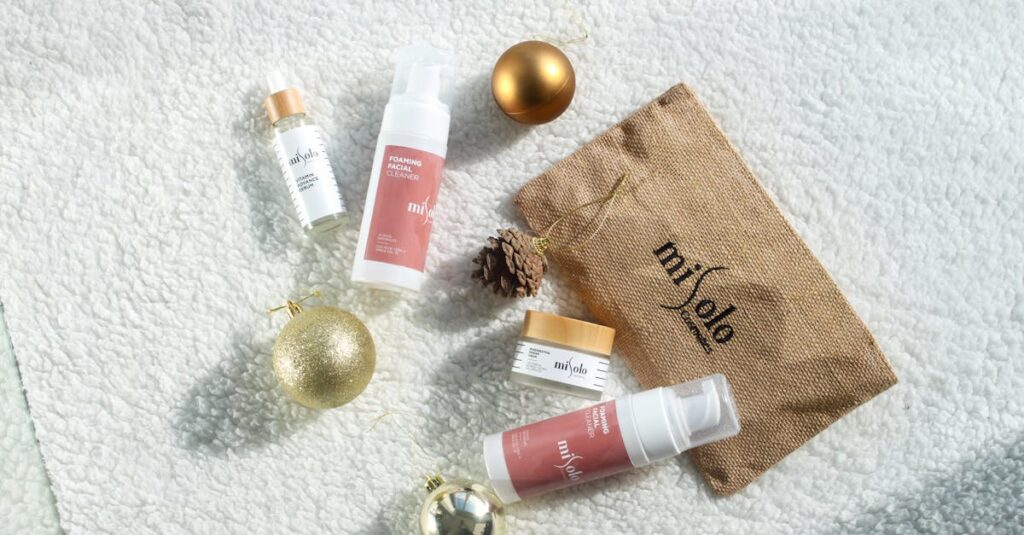
Understanding ingredients is critical when building an acne routine.
Salicylic Acid
Best for:
- clogged pores
- oily skin
- blackheads
Salicylic acid penetrates deep into pores and helps remove excess oil and dead skin buildup.
Recommended Product:
Neutrogena Oil-Free Acne Wash
Why we recommend it:
- Contains 2% salicylic acid
- Affordable and beginner-friendly
- Helps reduce congestion and excess oil
Best for:
- oily skin
- mild acne
- teenagers & beginners
Benzoyl Peroxide
Best for:
- inflammatory acne
- bacteria reduction
Benzoyl peroxide helps kill acne-causing bacteria while reducing inflammation.
Recommended Product:
La Roche-Posay Effaclar Duo
Why we recommend it:
- Lightweight texture
- Fast-absorbing formula
- Targets persistent breakouts
- Popular among dermatologists
Best for:
- hormonal acne
- recurring breakouts
- oily skin
Adapalene (Retinoid)
Best for:
- persistent acne
- clogged pores
- acne prevention
Retinoids improve skin cell turnover and prevent pore blockage.
Recommended Product:
Differin Adapalene Gel 0.1%
Why we recommend it:
- FDA-approved retinoid
- Helps reduce future breakouts
- Improves skin texture over time
Best for:
- moderate acne
- long-term management
- adult acne
⭐ Editor’s Pick
If you only choose one acne product from this list, we recommend:
CeraVe Foaming Facial Cleanser
Why?
Because it combines:
- Ceramides for barrier support
- Niacinamide for calming redness
- Gentle cleansing without stripping skin
It also works well alongside stronger acne treatments like retinoids or benzoyl peroxide.
Best for:
- combination skin
- sensitive acne-prone skin
- beginners building a routine
Spot Treatments for Active Pimples
Sometimes you need fast support for individual breakouts.
Hero Cosmetics Mighty Patch
Best for:
- whiteheads
- overnight spot treatment
Why we recommend it:
- Hydrocolloid technology
- Helps absorb fluid from pimples
- Reduces touching & irritation
- Easy overnight use
Acne Routine Example
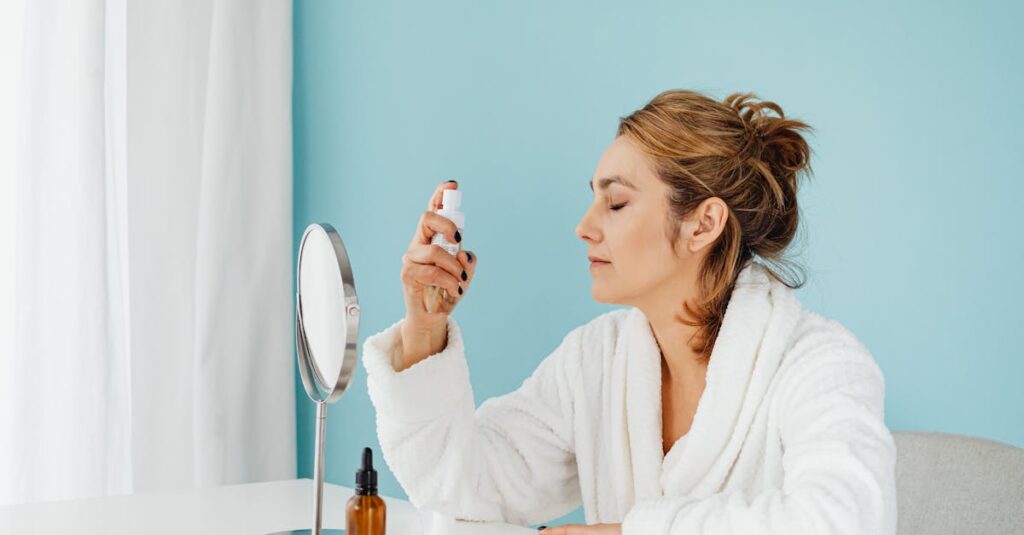
Morning Routine
| Step | Product Type |
|---|---|
| Cleanser | Gentle salicylic acid cleanser |
| Serum | Niacinamide serum |
| Moisturizer | Oil-free moisturizer |
| Sunscreen | Non-comedogenic SPF |
Evening Routine
| Step | Product Type |
|---|---|
| Cleanser | Gentle cleanser |
| Treatment | Adapalene / Benzoyl Peroxide |
| Moisturizer | Lightweight moisturizer |
Lifestyle Habits That Help Acne
Skincare alone is often not enough.
Sleep & Recovery
Poor sleep may increase inflammation and hormonal imbalance.
Aim for:
- 7–9 hours of sleep
- consistent sleep schedule
Stress Management
Managing stress may reduce cortisol-related breakouts.
Helpful practices include:
- walking
- meditation
- yoga
- exercise
- deep breathing
Hydration
Hydrated skin generally maintains a healthier barrier and tolerates treatments better.
Drink water consistently throughout the day.
Acne Myths Debunked
Myth: Acne Is Caused by Poor Hygiene
False.
Overwashing may actually worsen irritation and inflammation.
Myth: Diet Has Nothing to Do With Acne
False.
Research increasingly shows that high-glycemic diets and dairy may affect acne severity in some people.
Myth: One Product Works for Everyone
False.
Acne is highly individual. Skin type, hormones, lifestyle, and sensitivity all matter.
When Should You See a Dermatologist?
You should consider professional help if:
- acne becomes painful
- cysts develop
- scarring appears
- OTC treatments stop working
- breakouts affect mental health or confidence
Professional treatments may include:
- prescription retinoids
- oral antibiotics
- hormonal therapy
- chemical peels
- laser treatments
- light therapy

Final Thoughts
Clear skin rarely happens overnight.
Successful acne management usually requires:
- consistency
- patience
- proper skincare
- healthy habits
- the right products
The key is finding a sustainable routine that supports your skin long term.
Recommended Acne Products Recap
| Product | Best For | Action |
|---|---|---|
| CeraVe Foaming Facial Cleanser | Daily maintenance | View On Amazon |
| La Roche-Posay Effaclar Duo | Hormonal acne | View On Amazon |
| Differin Adapalene Gel | Persistent acne | View On Amazon |
| Hero Mighty Patch | Spot treatment | View On Amazon |
| Paula’s Choice Azelaic Acid Booster | Redness & acne marks | View On Amazon |
👉 Explore dermatologist-backed skincare solutions and build a routine that works for your skin type.
FAQ
Can acne be completely cured?
For many people, acne can be effectively controlled and minimized, though some may continue managing breakouts long term.
How long do acne products take to work?
Most treatments require:
- 4–8 weeks for noticeable improvement
- 3+ months for significant changes
Is moisturizer necessary for acne-prone skin?
Yes.
Skipping moisturizer may increase irritation and worsen oil production.
Choose lightweight, non-comedogenic formulas.
Does sunscreen help acne?
Yes.
Sun damage can worsen inflammation and post-acne pigmentation. Use oil-free SPF daily.
Disclaimer: This content is for educational purposes only and does not replace professional medical advice. Always consult a dermatologist before starting new skincare treatments.