
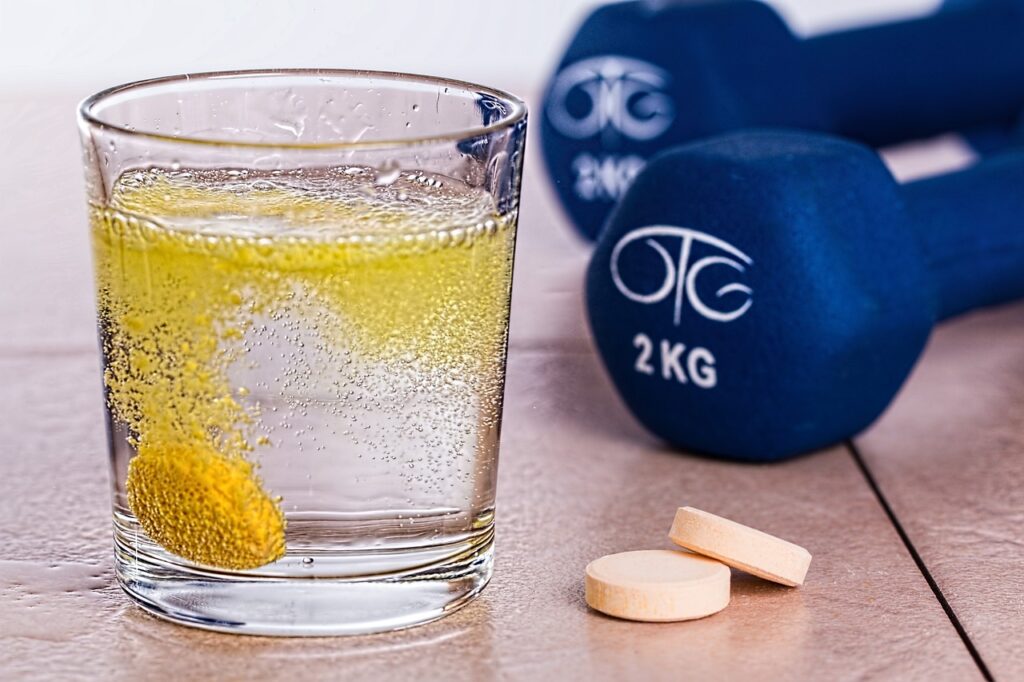
When it comes to fitness, consistent training and balanced nutrition are the foundation of progress. However, many athletes and fitness enthusiasts use dietary supplements to support performance, recovery, and overall results. While supplements are not a replacement for healthy eating, some may be useful in specific situations, depending on the ingredient, dose, diet, goals, and individual response.
🧪 What Are Supplements?
Supplements are products designed to add nutritional value to your diet. They can come in forms such as powders, capsules, or drinks, and usually contain concentrated nutrients like protein, vitamins, minerals, or specific compounds marketed for exercise-related goals; evidence varies by ingredient and use.
⚡ How Supplements Can Support Fitness
- Improve Energy and Endurance
- Some pre-workout ingredients, including caffeine and beta-alanine, have been studied for particular exercise settings, but effects and tolerance vary.
- Electrolyte products may be useful during prolonged or high-sweat exercise; needs vary with duration, climate, sweat rate, and diet.
- Enhance Muscle Growth and Strength
- Protein powder can be a convenient way to help meet protein needs when food intake is insufficient.
- Creatine monohydrate has evidence for supporting some repeated high-intensity exercise and strength outcomes; individual responses vary.
- Speed Up Recovery
- Evidence for BCAAs or EAAs and post-exercise soreness is mixed, particularly when total protein intake is adequate.
- Omega-3 supplements have been studied for several outcomes, but they should not be presented as treating inflammation or joint conditions.
- Fill Nutritional Gaps
- A multivitamin may help fill some dietary gaps, but it cannot guarantee adequate nutrient status.
- Vitamin D, magnesium, and zinc play roles in muscle function and recovery.
🥇 Evidence-Based Supplements Worth Considering
The following ingredients have varying amounts of research in particular fitness contexts:
- Whey Protein Powder – Convenient source of high-quality protein.
- Creatine Monohydrate – Studied for some strength and repeated high-intensity exercise outcomes; results vary.
- BCAAs / EAAs – May add amino acids, though benefits may be limited when overall protein intake is adequate.
- Caffeine – May improve alertness and some exercise outcomes for some adults; response and tolerance vary.
- Beta-Alanine – Has been studied for certain high-intensity efforts; effects depend on protocol and individual response.
- Electrolytes – Provide minerals found in sweat; replacement needs vary by person and exercise conditions.
⚠️ Safety and Limitations
- Supplements should complement, not replace a balanced diet.
- Look for transparent labeling and reputable independent testing; testing reduces uncertainty but does not guarantee safety or effectiveness.
- Not all supplements work the same for everyone — genetics, training style, and nutrition all influence results.
- Always consult with a healthcare professional before starting a new supplement, especially if you have medical conditions.
⭐ Recommended Products to Support Your Training
- Whey or Plant Protein – A convenient dietary-protein option when needed.
- Creatine Monohydrate – An option with research in some strength and high-intensity exercise contexts.
- Electrolyte Powders/Tablets – May be useful in prolonged or high-sweat exercise depending on individual needs.
- Pre-Workout Formula – Check ingredients, stimulant dose, interactions, and personal tolerance before use.
- Omega-3 Supplements – Evidence varies by outcome; discuss use with a qualified clinician if you take medication or have a health condition.
📌 Final Thoughts
Supplements are not magic solutions. Depending on the ingredient and context, some supplements may play a limited supporting role; they do not guarantee faster training progress or recovery. Supplements should be considered only alongside consistent exercise, adequate sleep, and a balanced diet. Focus on the basics first, then consider supplements only as an optional addition after evaluating evidence, safety, and personal needs.